Peptide Research Information
Your comprehensive resource for understanding research peptides — from fundamental science to specific compound studies.
1. What are Peptides?
Peptides are short chains of amino acids — typically consisting of 2 to 50 amino acids — linked together by peptide bonds. While smaller than proteins, peptides play essential roles in biological signaling, enzymatic regulation, and cellular communication. In biological systems, peptides can function as hormones, neurotransmitters, and signaling molecules.
Synthetic peptides are laboratory-produced versions of naturally occurring peptides. They are manufactured with high purity standards for use in scientific and experimental research, allowing researchers to study specific biological processes under controlled conditions. Each peptide has a defined amino acid sequence that determines its structure and biological activity.
Research-grade peptides are produced under strict quality control protocols, often including HPLC purification and mass spectrometry analysis to ensure identity, purity, and consistency in laboratory applications.
2. How Peptides are Studied in Research
Peptide research is conducted in controlled laboratory environments using established scientific methodologies. These compounds are studied across multiple experimental frameworks:
In Vitro Studies
Cell-based experiments designed to investigate peptide interactions at the molecular and cellular level, including receptor binding, signaling pathways, and gene expression.
In Vivo Models
Preclinical animal models used to study systemic effects, pharmacokinetics, biodistribution, and biological activity in living organisms.
Analytical Methods
Techniques such as high-performance liquid chromatography (HPLC), mass spectrometry, and bioassays used to evaluate peptide purity, stability, and structural integrity.
Mechanistic Research
Studies focused on understanding biological pathways and molecular mechanisms through which peptides are investigated to exert their effects.
3. Types of Research Peptides
Below is an overview of research peptides available at ZeusPeptides and their areas of scientific investigation.
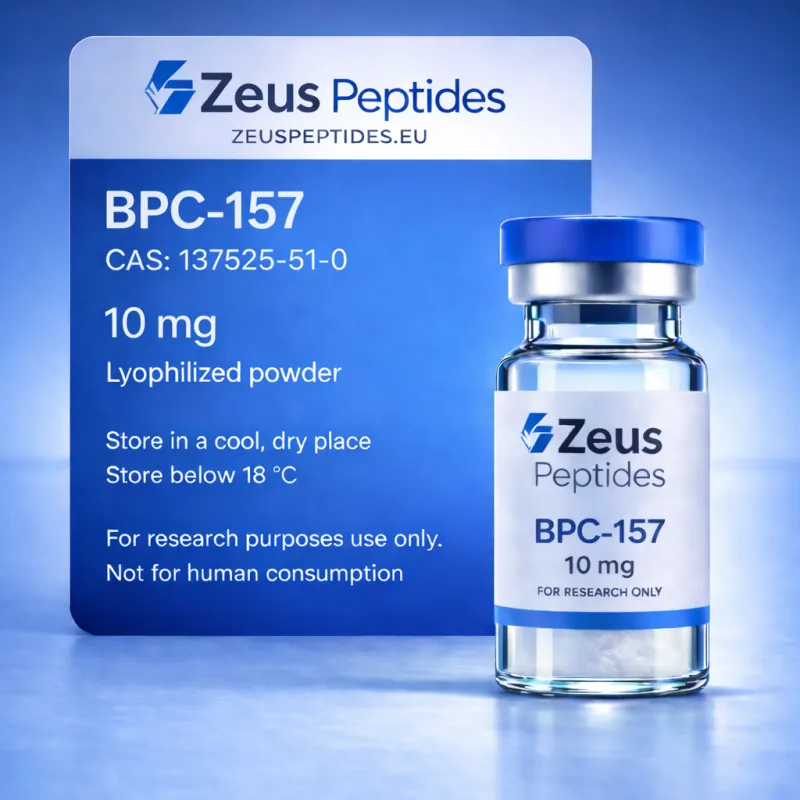
BPC-157 10 mg
Body Protection Compound-157
BPC-157 is a synthetic pentadecapeptide derived from a gastric protein. In experimental models, it is investigated for its interaction with pathways related to tissue repair, angiogenesis, inflammatory signaling, and gastrointestinal integrity.
Research Areas
- Tissue repair models (tendon, ligament, muscle)
- Angiogenesis and microcirculation studies
- Inflammatory signaling and cytoprotection
- Gastrointestinal and gut-barrier research
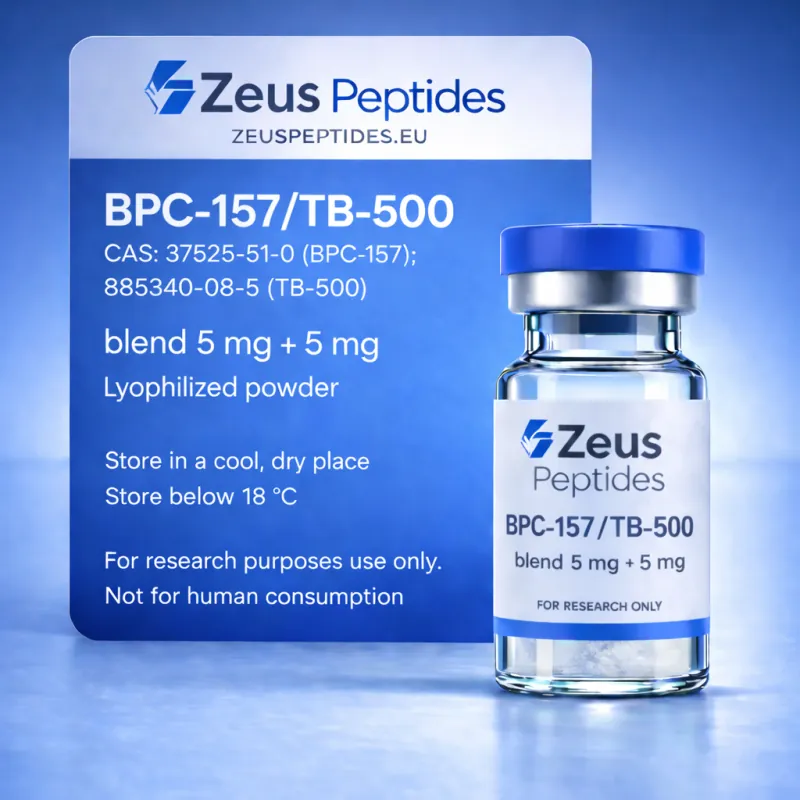
BPC-157 / TB-500 Blend
5 mg BPC-157 + 5 mg TB-500
This combination includes BPC-157 and TB-500 (a fragment of Thymosin Beta-4). It is studied in experimental systems to explore potential synergistic interactions in tissue-repair models.
Research Areas
- Combined tissue repair models
- Angiogenesis and vascular response studies
- Cell migration and cytoskeletal activity
- Inflammatory pathway research
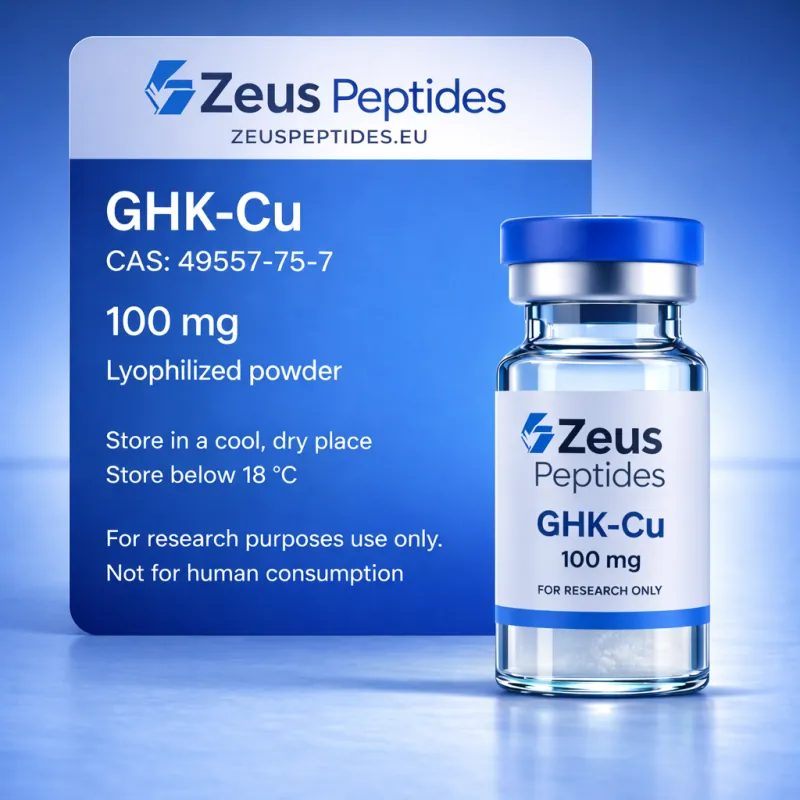
GHK-Cu
Copper Tripeptide-1
GHK-Cu is a naturally occurring copper-binding tripeptide investigated in research settings for its interaction with tissue remodeling, collagen production, and cellular signaling processes.
Research Areas
- Skin regeneration and dermal models
- Collagen and extracellular matrix studies
- Inflammatory response models
- Hair follicle research systems
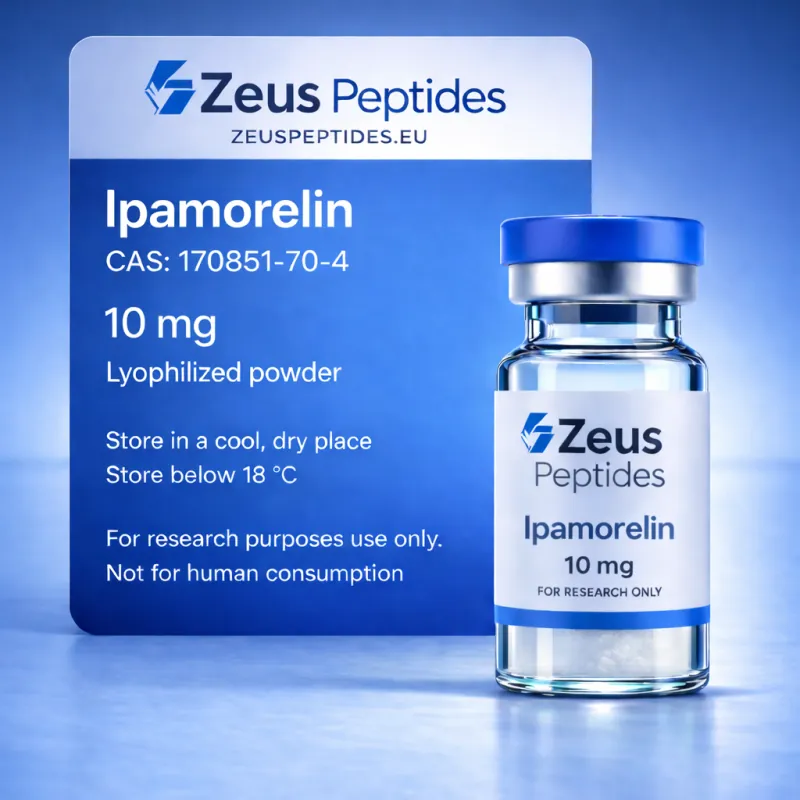
Ipamorelin 10 mg
Growth Hormone Secretagogue (GHS)
Ipamorelin is a synthetic peptide classified as a growth hormone secretagogue (GHS). In research settings, it is investigated for its interaction with pathways involved in growth hormone release.
Research Areas
- Growth hormone signaling models
- Metabolic pathway studies
- Body composition and energy balance research
- Bone density and skeletal models
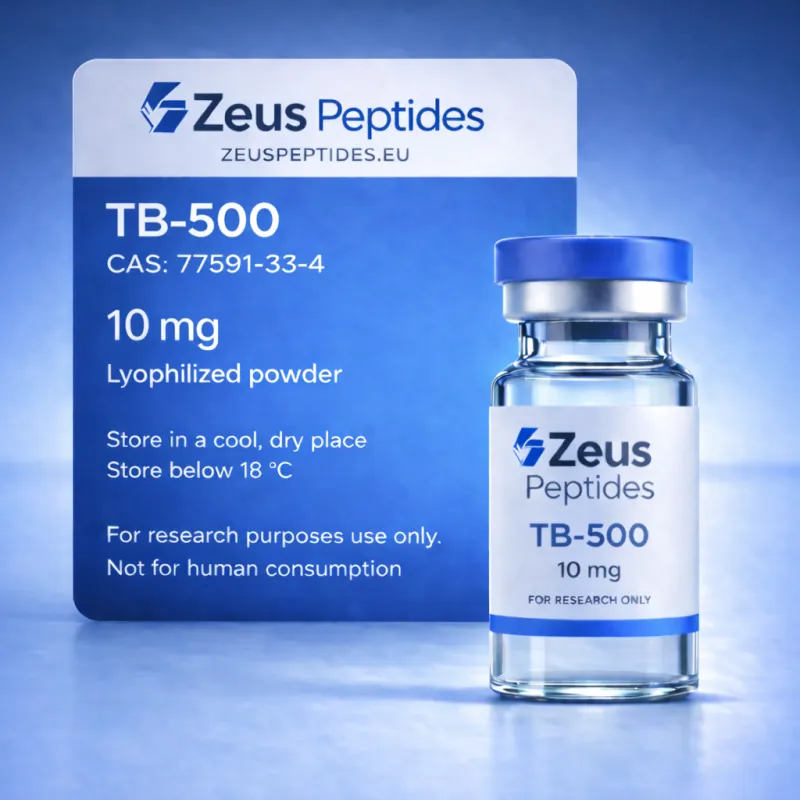
TB-500 10 mg
Thymosin Beta-4 Fragment
TB-500 is a synthetic peptide derived from Thymosin Beta-4. It is studied in experimental systems for its interaction with cellular migration, angiogenesis, and tissue repair mechanisms.
Research Areas
- Tissue repair and regeneration models
- Cell migration and motility
- Angiogenesis studies
- Inflammatory pathway research
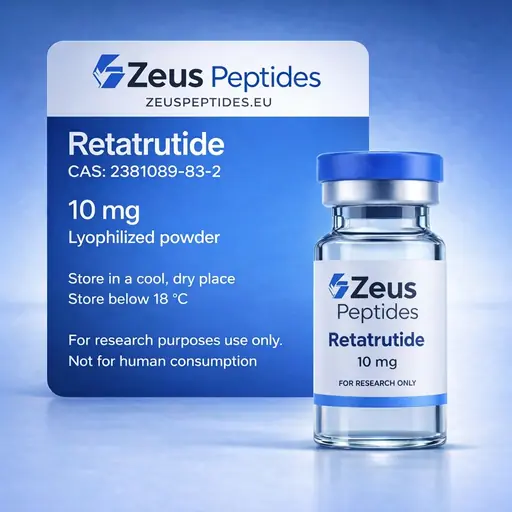
Retatrutide 10 mg
Triple GIP / GLP-1 / Glucagon Receptor Agonist
Retatrutide is a multi-receptor agonist peptide investigated in preclinical research for its interaction with metabolic pathways involving GIP, GLP-1, and glucagon receptors.
Research Areas
- Receptor interaction and signaling studies
- Body weight and metabolic models
- Glucose metabolism research
- Energy balance studies
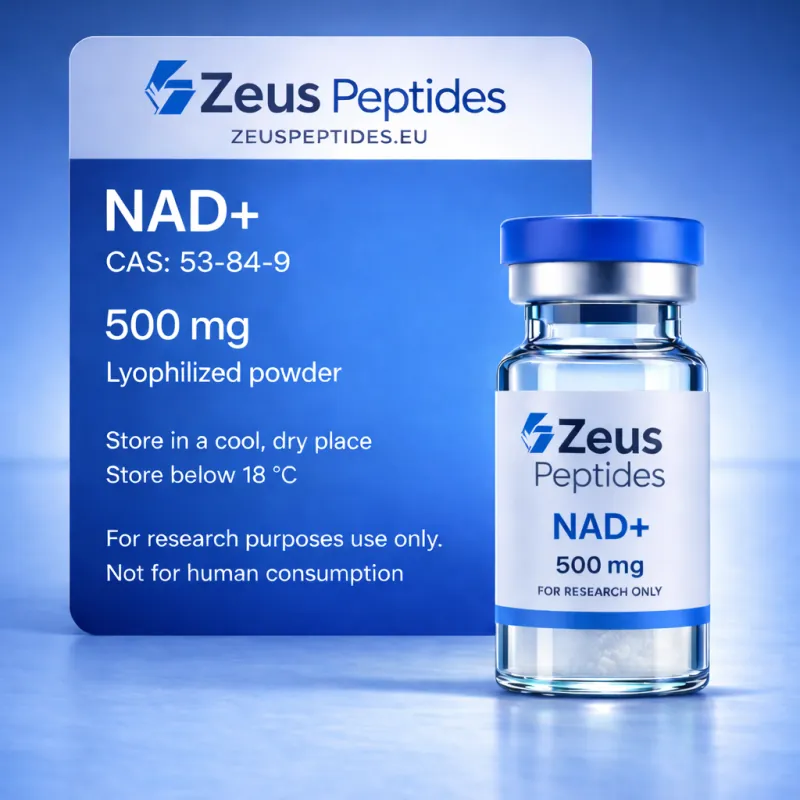
NAD+ 500 mg
Nicotinamide Adenine Dinucleotide
NAD+ is a coenzyme involved in cellular energy metabolism. In research settings, it is studied for its role in mitochondrial function, DNA repair mechanisms, and cellular signaling pathways.
Research Areas
- Cellular energy metabolism
- DNA repair and genomic stability
- Sirtuin pathway research
- Aging-related cellular studies
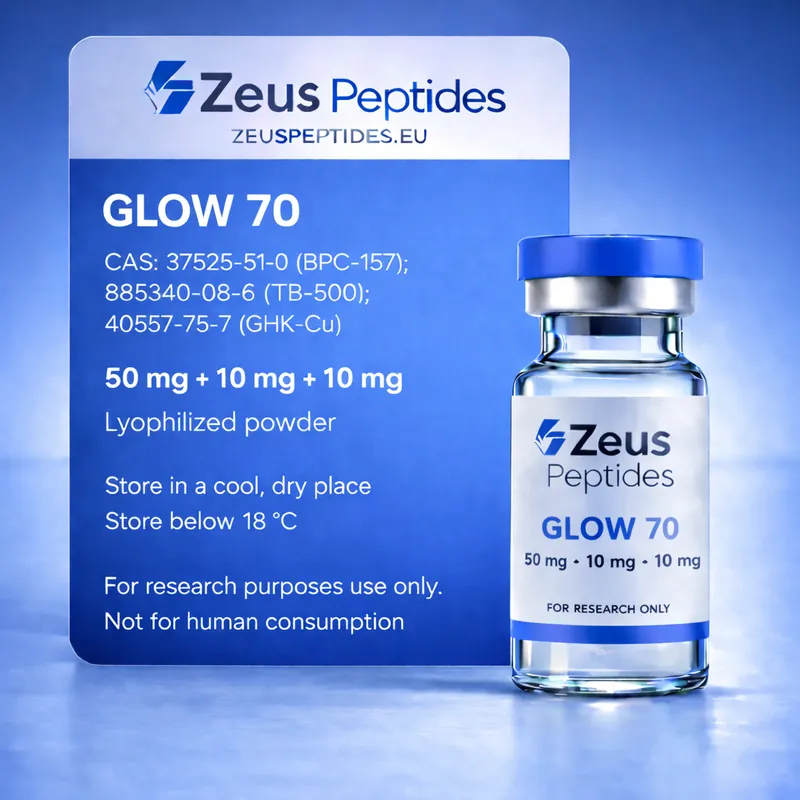
Glow 70 mg
GHK-Cu + BPC-157 + TB-500 Blend
Glow is a multi-peptide research formulation combining GHK-Cu (Copper Tripeptide-1), BPC-157, and TB-500 in a single lyophilized preparation. It is investigated in experimental models to explore combined peptide interactions.
Research Areas
- Skin and tissue regeneration models
- Collagen and extracellular matrix studies
- Angiogenesis and vascular support
- Multi-pathway inflammatory research
- Wound healing and tissue-repair models
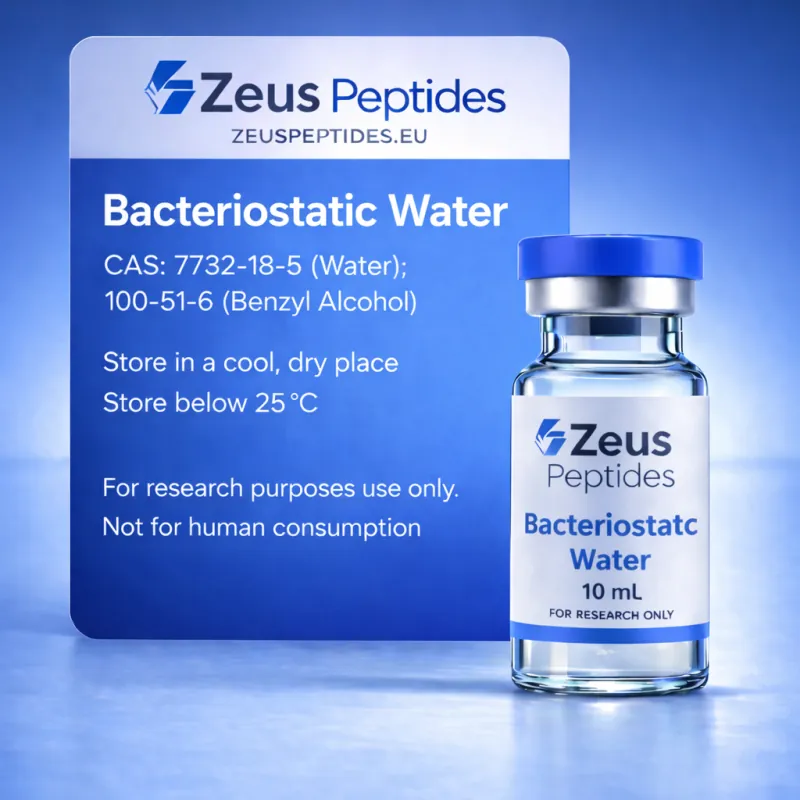
Bacteriostatic Water 10 ml
Sterile Research Solvent
Bacteriostatic water is sterile water containing benzyl alcohol to inhibit microbial growth. It is used in laboratory settings as a solvent for reconstituting lyophilized compounds.
Research Areas
- Peptide reconstitution
- Laboratory solution preparation
- Analytical and assay development
- General laboratory use
4. Disclaimer
All products sold by ZeusPeptides are strictly intended for scientific and laboratory research purposes only. They are not intended for human consumption, veterinary use, or any form of self-administration.
Purchasers must be at least 18 years of age and are responsible for compliance with all applicable laws and regulations in their jurisdiction.
ZeusPeptides assumes no liability for misuse of its products.
Peptide Research Articles
Explore detailed research insights for individual peptides:
Retatrutide Research
Research on Retatrutide (LY3437943): triple GIP/GLP-1/glucagon receptor agonism, metabolic regulation, and body composition studies.
BPC-157 Research
Scientific overview of BPC-157 peptide research focusing on angiogenesis, tissue repair mechanisms, and gastrointestinal models.
TB-500 Research
Research analysis of TB-500 (Thymosin Beta-4) focusing on cell migration, angiogenesis, and tissue regeneration pathways.
GHK-Cu Research
Research overview of GHK-Cu (Copper Tripeptide-1) in skin regeneration, collagen synthesis, and cellular remodeling studies.
Frequently Asked Questions
What are peptides?
Peptides are short chains of amino acids, typically consisting of 2 to 50 residues linked by peptide bonds. They serve as signaling molecules in biological systems and play roles in processes such as hormone regulation, immune response, and cellular communication. Synthetic peptides are manufactured to replicate these naturally occurring sequences for use in controlled research settings.
Are peptides legal for research?
In most jurisdictions, peptides are legally available for purchase and use in scientific and laboratory research. They are classified as research chemicals and are not approved for human consumption, veterinary application, or clinical use without appropriate regulatory authorization. Researchers are responsible for ensuring compliance with all applicable local, national, and international regulations.
How are peptides studied?
Peptides are studied using a range of established scientific methodologies, including in vitro cell-based assays, in vivo preclinical models, and analytical techniques such as HPLC and mass spectrometry. Research typically focuses on characterizing receptor binding, signal transduction pathways, pharmacokinetics, and biological activity under controlled laboratory conditions.
What is BPC-157?
BPC-157 (Body Protection Compound-157) is a synthetic pentadecapeptide consisting of 15 amino acids, derived from a protective protein found in human gastric juice. It has been the subject of extensive preclinical research investigating its effects on tissue regeneration, angiogenesis, cytoprotection, and modulation of nitric oxide and growth factor pathways. All findings are based on laboratory and animal model studies.